
San Lorenzo AppBetter experience

National Heritage
San Lorenzo Town Hall
Community of Madrid Tourism
Magical Towns of Spain




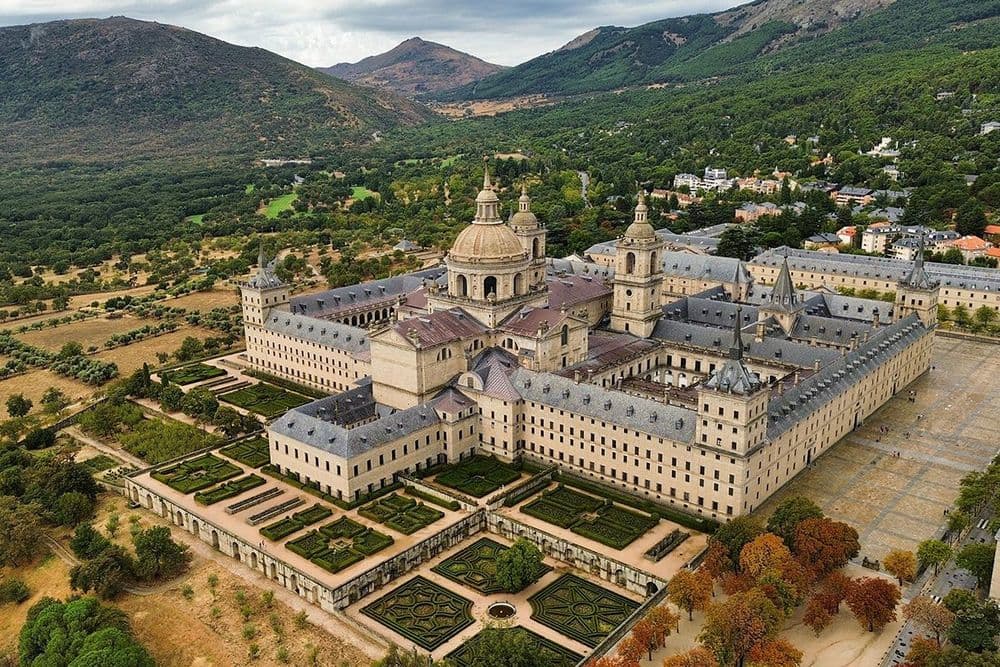
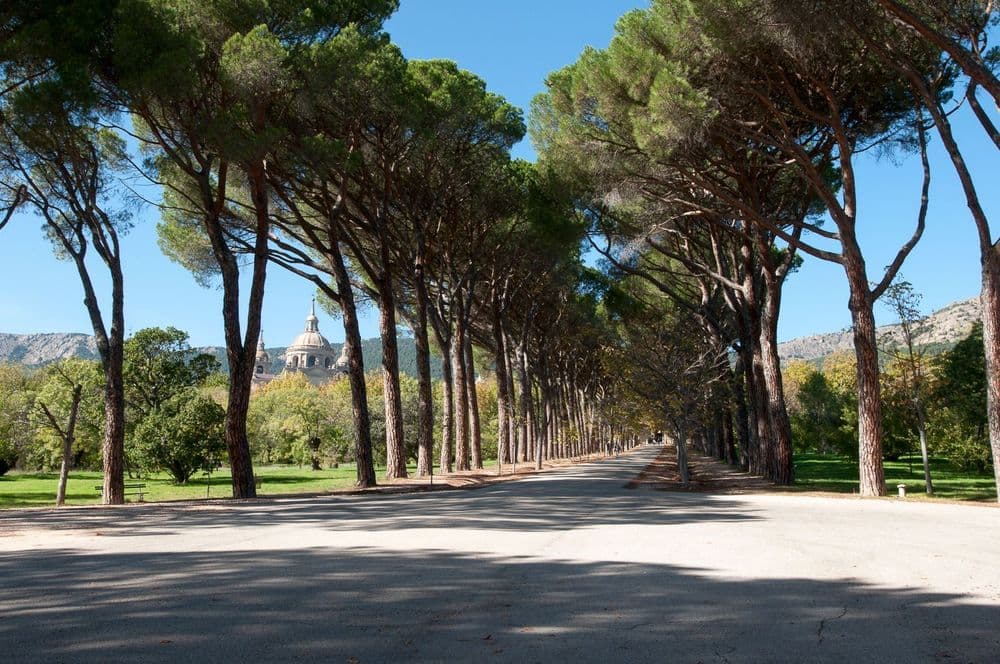
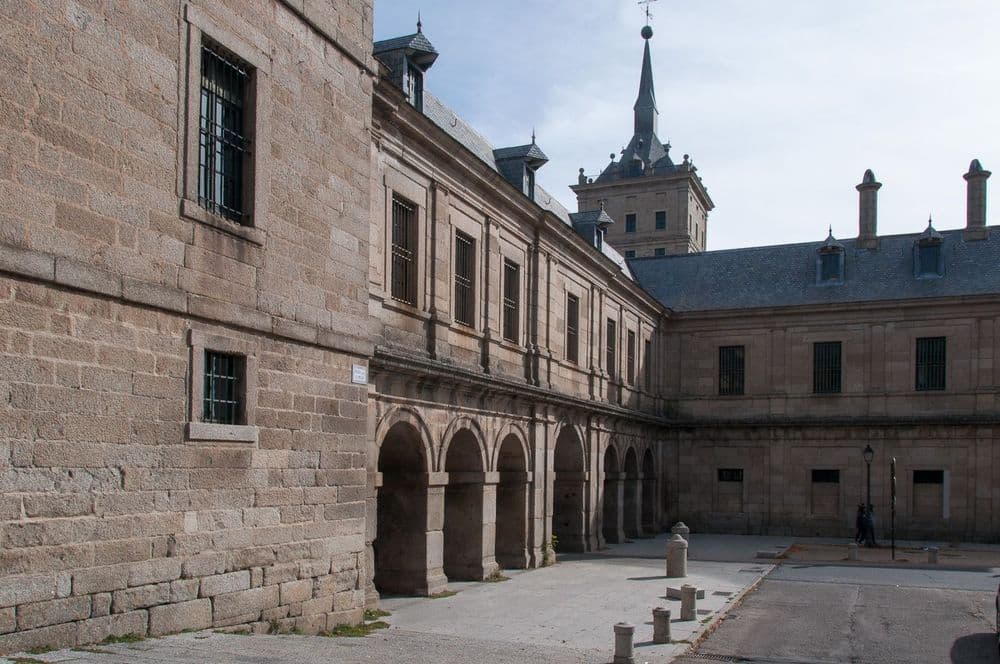
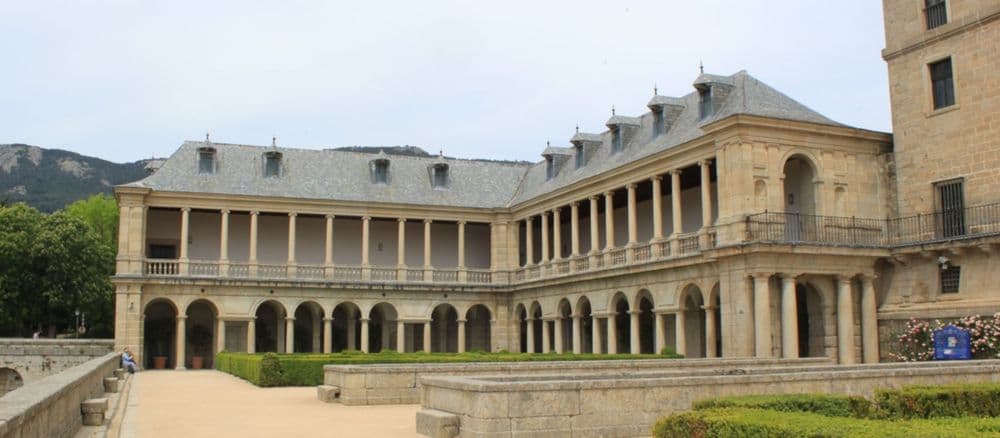
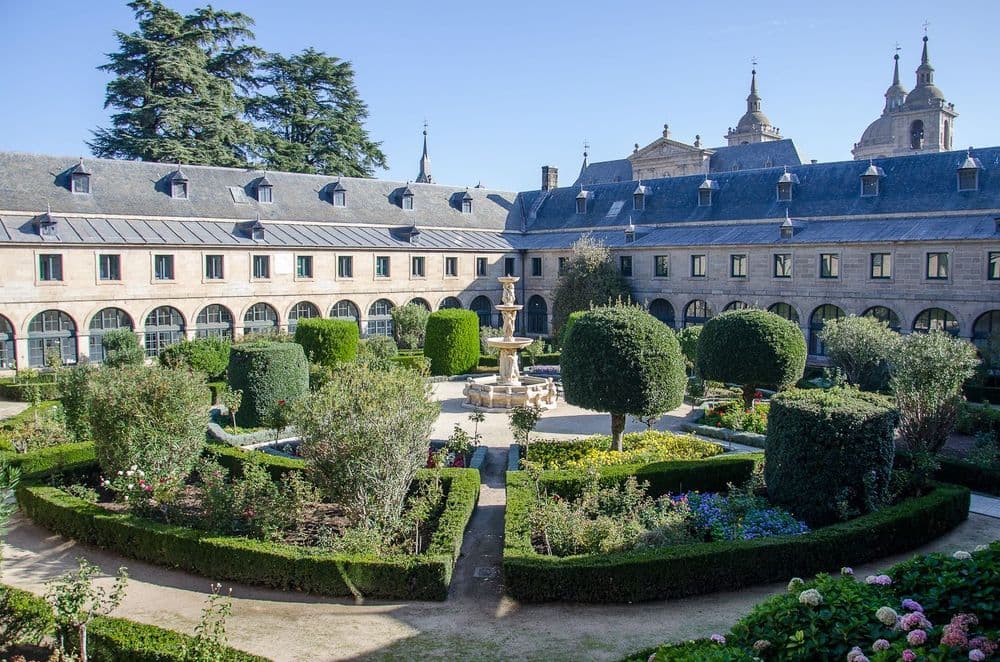
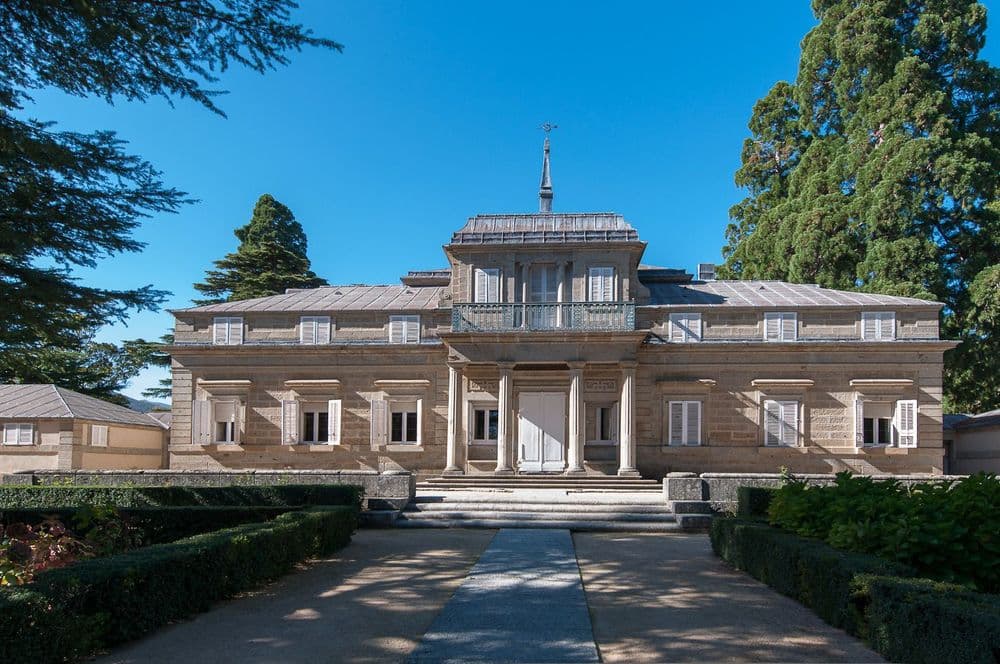
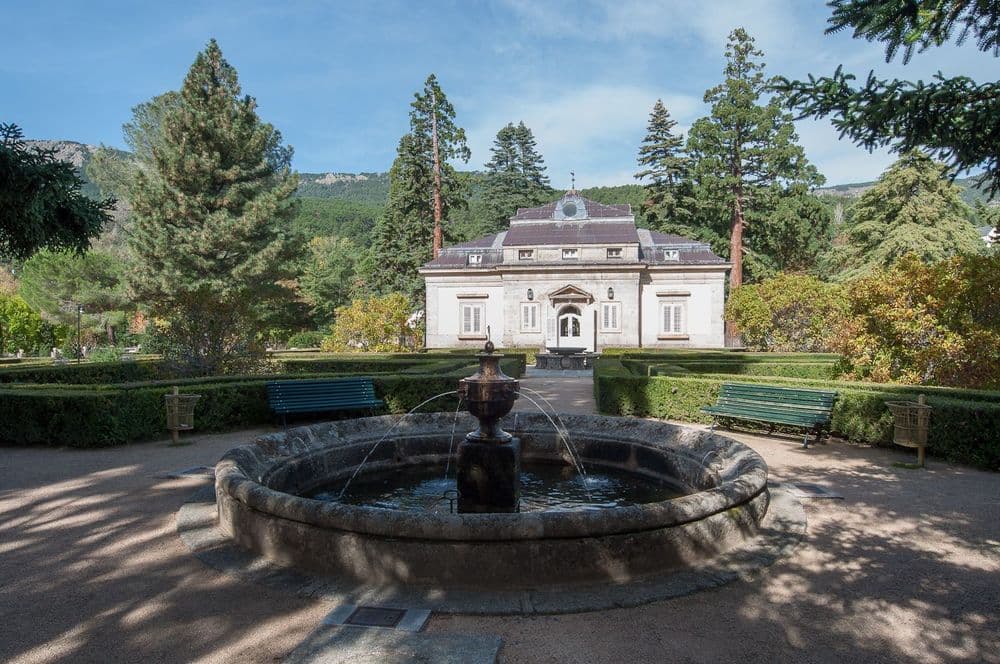
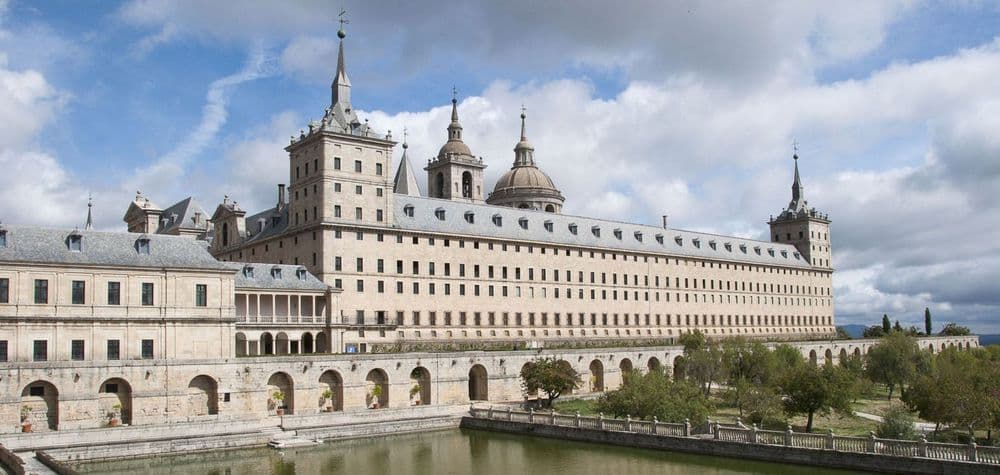
On November 2, 1984, UNESCO included theMonastery and Site of San Lorenzo de El Escorialin the list of theUNESCO World Heritage siteby the following criteria:
In 2012 UNESCO set theboundary of the Monastery and Site of El Escorial,including inside:
In 2014 UNESCO also recognises itsOutstanding Universal Value.
Urban route to discover the Monastery and Site of El Escorial, a UNESCO World Heritage site, along with its gardens and historic buildings.
16 stops
Access to the Royal Monastery of San Lorenzo de El Escorial through the Basilica entrance, the gateway to the heart of the monumental complex declared a UNESCO World Heritage site in 1984.
Basilica of the Royal Monastery of San Lorenzo de El Escorial, a 16th-century Renaissance temple that is part of the World Heritage site declared by UNESCO, with entrance via the Courtyard of the Kings.
Building constructed in 1585 as the pharmacy and medical service of the Monastery, organised around a three-storey rectangular courtyard, today one of the most unique parts of the monumental complex.
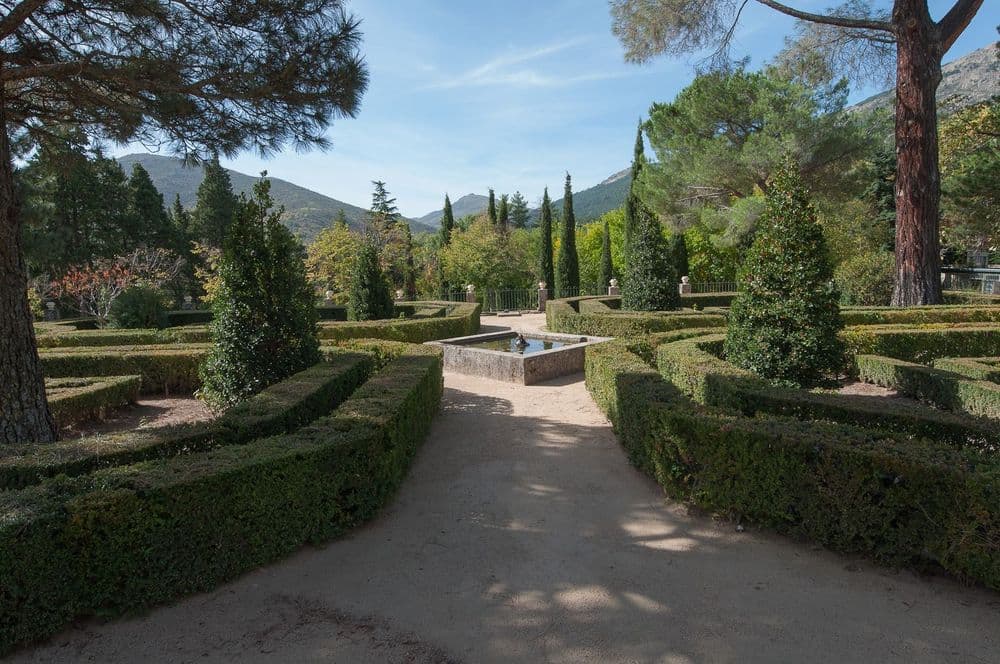
Historic garden next to the south wing of the Royal Monastery, with panoramic views over the monumental complex, the orchards and the valley. Designed with formal parterres, it is one of the most peaceful spaces of the Royal Site.
The first of the buildings conceived by Juan de Herrera to house the palace facilities of the Royal Site, built in the 16th century next to the Monastery to complete the monumental complex.
Second of the houses of the Trades designed by Juan de Herrera, part of the unitary complex built in the 16th century to expand the dependencies of the Royal Monastery outside its precinct.
Historic building of the Royal Site of San Lorenzo de El Escorial characterized by the use of slate on its roofs, an emblematic material of 16th-century Herrerian architecture.
Building constructed between 1590 and 1597 according to the project of Francisco de Mora, a disciple of Herrera, to house all the storage and services of the Royal Monastery and University of the Real Sitio.
Historic building of the Royal Site built as the residence of the First Secretary of State, a high-ranking official of the Spanish Court, located in the 18th-century urban complex of San Lorenzo de El Escorial.
Historic building of the Royal Site of San Lorenzo de El Escorial built to accommodate members of the royal family during Court stays, an example of neoclassical palace architecture.
Access point with ticket offices to the Casita del Infante (or de arriba), a neoclassical palace by Juan de Villanueva commissioned by Carlos III for the Infante D. Gabriel, located in the Dehesa de La Herrería.
Free entry access to the Prince's Cottage park, neoclassical gardens surrounding this 18th-century architectural gem located in the municipality of El Escorial.
Free entry gardens of the Casita del Príncipe (or lower gardens), a neoclassical park with notable tree specimens surrounding this masterpiece by Juan de Villanueva in El Escorial.
Ticket sales point for the Casita del Príncipe (or the lower house), a jewel of Spanish neoclassicism built between 1771 and 1775 by Juan de Villanueva for the future Charles IV.
Free-access gardens of the Casita del Infante (or upper gardens), neoclassical landscaped spaces surrounding this small palace by Juan de Villanueva in the Dehesa de La Herrería.
Ticket office for visiting the Royal Monastery of San Lorenzo de El Escorial, a late Renaissance jewel built under Philip II and declared a UNESCO World Heritage site.